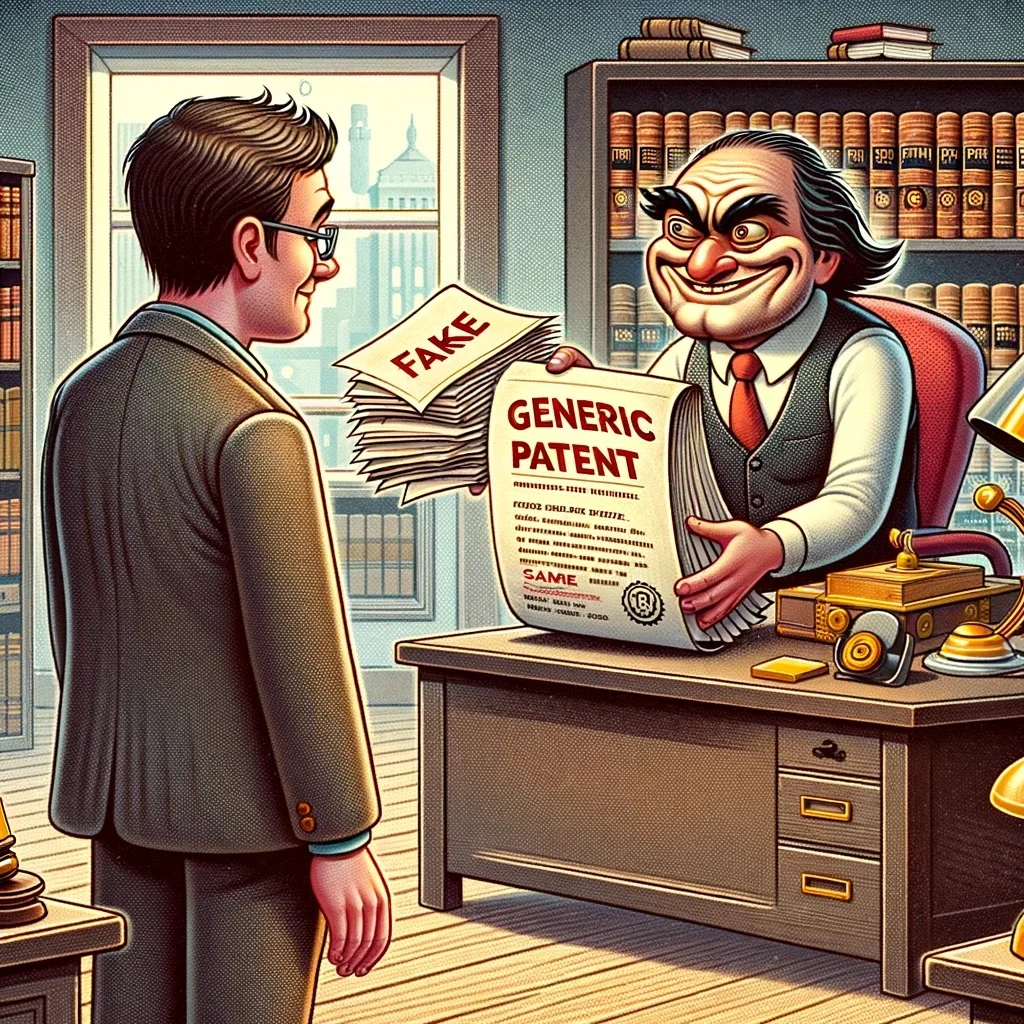
I’ve always prided myself on being cautious and not easily falling prey to scams, but recently I found myself embroiled in a situation that shook that confidence. It all started with a seemingly innocuous online purchase on FleaBay, where I stumbled upon an unbelievably cheap deal for a part I needed for my vehicle. Ignoring the age-old advice of “if it’s too good to be true, it probably is,” I went ahead with the purchase, only to be left empty-handed and out of pocket when the item never arrived. It was a harsh lesson, but one I thought I had learned from.
Fast forward to my recent endeavor to trademark my brand, Hello Charlie. I diligently filled out the necessary paperwork and submitted my application to the USPTO’s online portal, confident that I was taking all the right steps to protect my intellectual property and help prevent future copyright fraud. However, little did I know that my trust in the system would be tested.
Unbeknownst to me, the USPTO had a practice of releasing applicants’ personal information to the public shortly after they filed their applications. This information, including contact details and the contents of the application itself, became ripe for exploitation by unscrupulous individuals.
A few days after submitting my application, I received a call from the caller ID of “public service”, with a phone number that matched the official USPTO line. Despite the connection sounding intermittent and the caller’s rushed demeanor, I brushed aside any doubts, attributing the poor quality to my cellphone reception. Being taken off guard, the caller proceeded to reel off details from my trademark application that only someone with access to the USPTO’s records could have known.
Wary but still somewhat trusting, I listened as the caller explained that there were additional filing fees required to process my application fully. Eager to expedite the process and unaware of any red flags, I reluctantly provided my credit card information over the phone. It wasn’t until a few days later, when I received a notification from Discover about a suspicious charge from a company named “USA Patent…” that the gravity of the situation hit me.
Alarmed, I immediately contacted Discover to report the fraudulent charge and then reached out to the USPTO to inform them of what had transpired. To my relief, the real USPTO agent I spoke to confirmed my worst fears: I had fallen victim to a sophisticated and new scam that she had only recently been made aware of herself. Not only had I been duped out of my hard-earned money, but my personal information had also been compromised due to the lax practices of the very organization I had trusted to safeguard it.
As I reflect on this harrowing experience, I can’t help but feel a sense of betrayal and disillusionment. The fact that such scams can flourish within systems designed to protect us is a sobering reality check. Moving forward, I’ll be more vigilant and discerning, but I can’t shake the nagging feeling of vulnerability that lingers in the aftermath of this ordeal. I just hope in coming forward with this that it might help others from falling victim to this moving forward, and hopefully the USPTO will take greater actions to protect people’s privacy as well.


